Ford Street
Publishing, 2008 ISBN
9781876462574
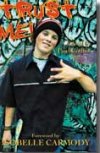
A solid book (412p) containing short stories and poems by some 40
Australian authors and poets, with an introduction by Isobelle Carmody
is a well needed resource for schools. Short stories and modern verse
written by contemporary poets is in short supply, so I grabbed this to
read more eagerly than some I have been sent to review.
A story entitled, Abandoned, by Robert Hood, grabbed me as it
was a
crime story set in a rubbish dump. What more could you ask for? This
was followed with a foray into Bill Condon's little treat about
bullying and rats, called The cost of air. For dessert, I read
Doug
MacLeod's laugh out loud poem, Smarty, then a night cap with
Carol
Jones, Under/Over. And that was just for starters.
As with any book of short stories, there are some that grab and some
that leave you cold, but any reader will find something to amuse,
delight and entertain in this tome. Its range of stories is impressive,
from horror to mystery to science fiction and even romance, there is
something for everyone.
Fran Knight
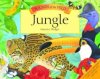
Jungle by Maurice Pledger
Summit Press, 2008. (Sounds of the Wild)
(Age 4-7) This 16 page pop-up book tells children of the sights and
sounds of the
jungle. Each double page spread has a host of colourful and intriguing
vistas which illustrate the animals and birds which live in that
particular jungle. On the following page is an explanation of each
spread, with headings and a key to the preceding page. Joining the
wonderful pop-ups is sound, initially scaring the pants off me, but
thoroughly enjoyable to a child reading the book with an adult.
On the Australian page, for example, is a colourful presentation of the
Australian bush, replete with pictures including a cockatoo,
kookaburra, koala, wombat, lorikeet, as well as a kangaroo, and
assorted waratah. The page opens with a squawk from a cockatoo, and
following is a page which explains all that is displayed. That page
entitled The Edge of the Forest, seems to include a range of animals,
plants and insects common to many areas in Australia.
As with all pop-ups, the book would best be used with a child and an
adult, because of the ephemeral nature of a pop-up book, and this
dazzling treat is sure to engage young children with its colours and
sounds. There are some problems with this book, however, I could
not see why it was written or who it was written for. Is it an
information book? If so, then there is a lack of consistency, no
headings and titles on the picture pages, and no index or contents
page. If it is a picture book just for kids to look at then consistency
of the word jungle needs to be addressed, and words culled to make it
accessible to younger readers.
Fran Knight
Pip: the story of Olive by Kim Kane
Allen & Unwin 2008
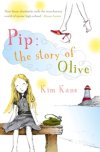
(Age 11 – 13) It's not easy having a mother named Mog who was once a
hippy and now is a well respected lawyer and judge, a father whom
you've never met but you only know as WilliamPetersMustardSeed and a
best friend who has the 'perfect' family and who suddenly disowns you
to hang out with 'the most elegant girl in Year 7'! On top of this you
discover you have a twin sister....or do you? Olive has never felt like
she belongs and as she enters high school, life becomes a little more
challenging. With a desire to fit in and the sudden arrival of Pip,
Olive sets out on a quest to find her father and try and discover who
she is. Along the way she makes a new friend and discovers some talents
she didn't realise she had. Life as a teenager is filled with self
discovery, friendship issues, search for identity, family relationships
and the need to belong. This is a great first novel that explores the
chaotic life of adolescent girls and the ways they cope with the
challenges life throws them.
Tracy Glover
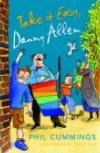
Take it Easy, Danny Allen by Phil Cummings
PanMacmillan, 2008 ISBN
9780330423731
(Age 8-12) The sequel to the engaging and lighthearted, Danny Allen
was
here, is
just wonderful, as Danny must roll with his parents' decision to move
to the city after the failure of their farm in the Mid North of South
Australia. Remembering comments from his friends at Mundowie sees Danny
suspicious and unsettled, and their arrival in the city is marred by
their friend, Thommo, being taken to hospital after his truck crashes.
Their 'apartment', a third floor cramped set of rooms, where the three
children must bunk in together, is in a strange part of town, next to a
run down old theatre, and a sparkling new Mercedes franchise. Looking
out of the window, Danny sees an eccentric old man replete with a multi
coloured apron, waving at him. The warning words of his friend come
back to him, and he refuse to return the wave, watching instead as the
man scoops something from the road, giving it to the mad old woman he
has already seen around the streets.
The setting is brilliant, evocative of the things a kid would see newly
arrived in a totally new place, with people and things, all so fresh
and rather unsettling. Instead of looking for friends, Danny is
suspicious and backwards, but it takes a loose dog in the park for
friendships to develop, and from there the ease of transition to the
city becomes less difficult. A warm and engaging story, Take it
Easy,
Danny Allen will find a host of fans in middle to upper primary
schools.
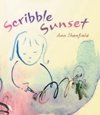
Scribble sunset by Ann Shenfield
Hachette Livre (Lothian Children's
Books) 2008.
(Age 7+) Ann Shenfield, a prize winning animation filmmaker, has come
up with a delightful picture book that will fuel the imagination of
anyone who reads it. A little girl is determined to find the sunset and
on the way she scribbles down her thoughts about the clouds she sees, a
magpie and its babies, and Jones, the one person she doesn't want to
think
about.
Her musings raise all sorts of ideas about perspective in art and the
whimsical illustrations could stimulate the reader to ask questions
about different intriguing paintings and art works. These could be used
to send the reader off on a quest to investigate them.
Perception, about art and people, is another major theme. As the little
girl muses: 'Some things depend on where you're standing.' - a line
could be a line or it could 'be the ocean with a glorious sunset over
the horizon.' The author also explores, in a very gentle way, how the
little girl's perception of Jones changed when they reached the ocean
and she got to know him.
I loved this book and the ideas and pictures lingered in my mind long
after I read it.
Pat Pledger
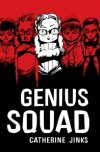
Genius squad by Catherine Jinks
Allen and Unwin 2008
(Age 12+) Highly recommended for its originality, this sequel to Evil
genius will enthral its readers with its high tech hero, Cadel
Piggott,
deciding to use his hacking skills to fight evil. With the Axis
Institute for World Domination blown up and Prosper English in gaol, he
and his friend Sonya are approached to join a group of talented kids
known as the Genius Squad. But can he trust the people at Clearview
House?
Jinks has mixed together a clever mixture of technology and computers
with an appealing hero who is learning to have a conscience and sorting
his way through right and wrong. Memorable characters crowd the pages
and the plot twists will keep the readers moving along at a fast past.
Intelligent readers who like books about technology and who appreciate
a brilliant plot and wonderful imagination will grab this fast moving
adventure.
Pat Pledger
My life and other catastrophes by Rowena Mohr
Allen
and Unwin, 2008 (series: Girlfriend Fiction)
(Age 11-14) Poor old Erin Costello, not only does she have to keep a
diary, a written record to improve her expression, for English, but her
parents have split up, and mum's new boyfriend, Creepazoid, has moved
in, almost. Through the long diary entries, we see life totally from
Erin's self absorbed perception. As she toys with the idea that
Creepazoid is not all he seems, and she has to put up with him not only
at home but at school, where he is the PE teacher, she also has
conflicts with her best friend, Rami, an environmentalist who is trying
vainly to get Erin more aware.
From one episode to another, the diary entries build the tension as the
reader can see where it is headed, although Erin cannot. A very funny
look at a self absorbed year 10 student, trying to be part of the play
at school, watching her mum's boyfriend, and taking time off school the
better to investigate him, this book will have broad appeal to girls in
upper primary and lower secondary school.
Fran Knight
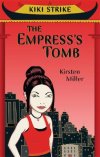
Kiki Strike: The Empress's Tomb by Kirsten Miller
Random House, 2007
(Ages 11-15 years) An amazing group of young girls gather as hi-tech
crime solvers on the streets of New York. Led by Kiki Strike, who
lays claim to the throne of Pokrovia, the friends combine their amazing
talents and take the reader on a fast-paced story of intrigue and
adventure. Combining school with a good deal of nocturnal
investigation tests the girls, but they are determined to rid the city
of its latest villain, even if they have to resort to some masterly,
home-made potions and devices!
Ananka tells the story of the exploits of the six best friends with
great humour and honesty, providing plenty of personal comments on the
action. The reader is swept along by the author's appealing style
and language. There are kidnappings, the theft and copying of
valuable art pieces, and deceit and intrigue when one girl discovers
her father's criminal past. With the help of some street kids,
the girls go to extraordinary lengths to solve a mystery which
threatens to entangle them all in a web they may not escape from.
The Empress's Tomb is a wonderful read, well told and constantly
holding the reader's attention. Set in a modern city with an
intriguing past, and full of memorable characters, this story is
thoroughly enjoyable. This is the second Kiki Strike adventure –
it follows Inside the Shadow City. It is highly recommended.
Julie Wells
The uncommon reader by Alan Bennett
Faber and Faber, 2007.
(Age Secondary to adult) The uncommon reader, by the delightful
Alan
Bennett is filled with glorious asides by the Queen, little passing
barbs at the royal family, the government and its civil service, The
uncommon reader is a hoot. Bennett has cast his acerbic eye towards
Buckingham Palace, where the Queen spies a van at the back of the
kitchens. Investigating, because the corgi is causing a stir, and one
doesn't want another person bitten by the royal dog, she finds the City
of Westminster traveling library, and it opens a new world of reading
for her. So much so that the equerries are concerned that she is
neglecting her public duties.
A wonderful read for anyone with a few hours to spare, The uncommon
reader will make you laugh out loud. The twists taken by the story
are
wholly believable, and the championing of reading as an activity for
all is sterling Alan Bennett. There should be a copy in every library.
Fran Knight
I do it by Andrew Daddo and Jonathan Bentley
ABC
Books, 2007
(Age Junior primary) Applauding the teetering steps to independence, I
do it, shows a young unnamed child pushing father aside in her
attempts
to emulate him and do things for herself. She can brush her teeth, put
sauce on her sausages, and get some milk, even though some is spilt,
and so on.
A charming repetitive rhythm is introduced which carries on through the
book. But halfway through it abruptly stops as dad says no. Instead of
the child saying I do it, she is shown how to do things and gives help
to her father at something more difficult. The last page shows her not
saying I do it, in response to being asked for a kiss, but telling dad,
You do it. So the events are neatly resolved and turned around.
This is a slight but sympathetic look at a child's endeavours to do
something for herself, despite the consequences. This book will appeal
to pre school aged children and is well suited to a child care facility
or kindergarten. Bentley's illustrations will delight the reader
as they tell a back story, showing things not in the text, adding a
different level of meaning for the reader to look at, ponder and enjoy.
Fran Knight
Georgiana by Libby Hathorn
Hachette Livre, 2008.
Set in the early years of the Western Australian colony, this is the
most amazing story of one woman and her attempts to make herself a
home. She not only helped her husband, Captain Molloy, set up a house
near Augusta on Western Australia's southern coast, but she planted a
garden using the seeds brought out from England, as well as those sent
to her by friends, but also saw the beauty in the flowers around her,
planting them in her garden, mixing the native flowers with those she
planted, and so developing a world wide interest in the flowers of this
new land.
Georgiana Molloy was no ordinary woman, following her husband to a new
country, she was curious, inquisitive, welcoming. She not only
developed an interest in the plants, but accepted the indigenous
people, asking them questions, meeting them, unafraid. Religious
to the point of fervour, she set up a prayer meeting on her front
verandah, ensuring all those who worked for her husband and neighbours,
attended. She made plans to build a church. Always dismayed at the lack
of servants, many of whom took up land grants of their own, she
accepted what she could around her.
Libby Hathorn's extensive research and refinement of this incredible
story has produced a book that is accessible to all. Telling of the
hardships and privations of the early settlers, their fears and
restrictions, it also tells of a young woman, determined to make the
best of the situation, marveling at the freedom the country offered
her, and incredulous at the array of flowering plants. For students of
Australian history, this book will fill in the background of the
academic history books, for students looking at indigenous issues, or
those applying to women in the early years of Australia, or those who
just want a good read, then this will fit the bill.
Fran Knight
Love Divided by Vanessa St Clair
Piccadilly Press, 2008
When I first started this I thought it was going to be
a girly,
gossipy, teenage 'Bridget Jones' read - rather in the
vein of sub-Cathy Hopins/Louise Rennison- a frothy read for young
teens. I was initially a bit taken
aback by the over use of the word 'crap' and 'crappy' as well as 'piss'
and
'pissed off' . However it soon develops into the story of a summer
romance - a first great love for both 16 year old protagonist Lucy
and 18 year old Mally, whose Bangladeshi
family place increasing pressure on their son to succeed in
his application for Cambridge. Can their love survive across the
religious and social barriers they face? The intense
feelings experienced by teenagers - with the pressure of exams in the
background, is skilfully portrayed, and, in the tradition of all great
love stories, the couple are ultimately separated but with
memories of a summer of love and a very special relationship that will
stay with both of them for ever.. Part of a series of 'Love Stories'
published by Piccaddilly
Press.
Laura Taylor
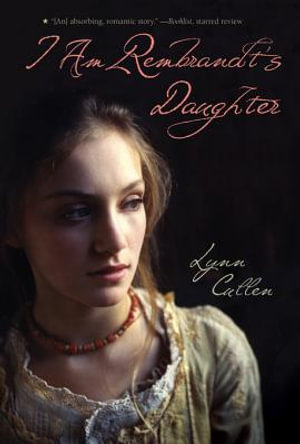
I am Rembrandt's daughter by Lynn Cullen
Bloomsbury, 2008.
(Age 12-15) The painter Rembrandt van Rijn has lost popularity and is
living in poverty and disgrace in Amsterdam. Cornelia, the daughter of
one of his models, remembers life as it was when her mother was alive
and when Titus, his son by Saskia, also lived at home before his
marriage into the wealthy merchant class. Abandoned by their patrons
and frowned at by the respectable, Cornelia tries to sell paintings and
help her irascible old father. She plays in the studio as a child and
understands colour and form, but is allowed only to model, never to
paint. The fragility of life at that time is clearly shown when the
plague sweeps through the city, the poorer areas particularly
suffering.
The action moves back and forward in time, allowing the development of
a quite complex and unbelievable plot twist. The sounds, sights and
smells of life in seventeenth Amsterdam are captured quite vividly in
this lively story. The language is in places clumsy and anachronistic
but generally works well, and for those unfamiliar with Dutch names
there is a character list.
The novel is capitalising on the interest in Dutch painters and has a
list of Rembrandt's paintings. It would be particularly enjoyable for
readers aged 12-16 years who are interested in Rembrandt.
Jennifer Hamilton
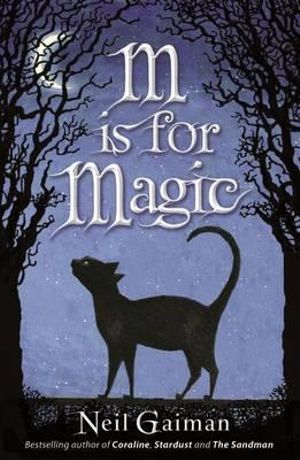
M is for Magic by Neil Gaiman
Bloomsbury 2008. (Age 13+) Eleven short stories ranging from the whimsical to the very scary make up this collection by master storyteller Neil Gaiman. The frightening ones remained with me long after I finished reading them. Their ambiguous endings demand that the readers use their imagination, which is often richer than the written word, to decide what could have occurred. What really happened to the Runt, a friendless, young boy who ran away and met a ghost in the dark? What would happen when the Black Cat finally could not fight the devil and keep the evil away? Other stories like the one where the hardboiled detective is hired by Jill Dumpty to investigate Humpty's fall, were laced with humour and word play and were fun to read.
The collection concluded with the poem, Instructions. Here is its conclusion:
'When you reach the little house, the place your journey started, you will recognize it, although it will seem much smaller than you remember.'
Readers will indeed find that their world has grown larger after reading these stories. Pat Pledger
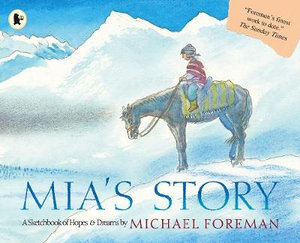
Mia's Story by Michael Foreman
Walker Books 2007
(Ages 5-7) The sketches Foreman did on his travels through Chile are
incorporated into this story of hope amongst the waste outside the city
of Santiago. Foreman met Manuel, who with his fellow villagers,
harvested the wasteland near their village and recycled it for sale to
the city where it came from. Far from being a story of despair,
Foreman's illustrations and the story he tells makes it a story of the
future.
One day Mia's father brings her a puppy which he found alone in the
city. But one day, Poco disappears, and Mia climbs onto her horse and
together they go into the mountains on their search. Here they discover
a field of flowers, and Mia carefully takes a clump, roots and all,
back to her home. Planting them, they multiply quickly until they have
spread over the village. She puts some of the plants into pots and goes
with her father to the city to sell them. Eventually she and her father
just sell the flowers, as the business becomes so successful, and they
eagerly await the time when they can build a house form brick.
Foreman has taken a simple tale and told it well, surrounding the story
with illustrations redolent of the background of the country of Chile.
The story of hope and looking forward will have wide appeal, especially
adding to our readers' knowledge of how other children live.
Fran Knight