Poster boys by Scott Woodard
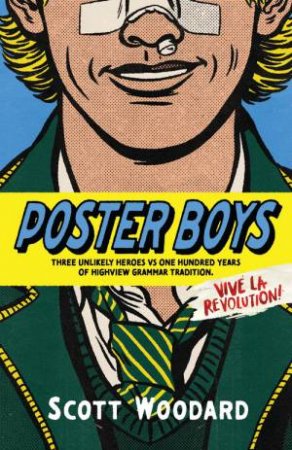
Edward Heffernan and Nolan Li have a serious problem. They are sitting on the kerb under a streetlight with Police sirens bearing down on them. It’s a magnificent hook for a backstory of psychological drama recounted by the narrator for the next 350 pages.
Nolan Li is the friend Edward never wanted to have. Socially inept Nolan, the typical Nerd, drags Edward down by association – if only he could have higher status friends and be less targeted for the derision inherent in the toxic culture of elite educational institutions like Highview Grammar? Nolan couldn’t care less about social mores although he is mortified that he accidently smashed the nose of popular jock, James Crombie during a school softball game – worse, the points were never going to be counted for his sports house!
Inspired by his father's political successes and incensed by serious injury, James finds two unlikely accomplices to launch an underground student rights movement aka “Common Sense,” with the aim of dismantling the unfair competitive sports houses. Poster bombing the school with revolutionary rhetoric at night is one thing, but hacking email addresses to hit back at the school’s old boys is giving ‘Hefferlump’ and Nolan cold feet.
Nolan grasps Crombie’s agenda pretty quick and appeals to Edward to withdraw from the student revolution that had become James’ personal vendetta against the school and ‘Nackers’ the Assistant Principal in particular. But Edward is thriving on his secret association with James, which conveniently can’t be public or it will arouse suspicion that they’re heading the “Common Sense” student revolution, gaining followers by the declining dress standards.
The protagonist's essential insecurity is relatable as is the moral support of his mother, a doctor working long hours. Edward needs to make better choices, rising to the anti hero status of every coming of age story. Can he let go of his dreams for popularity, be loyal to his one real friend and take responsibility for his bad decisions?
Scott Woodard crafts a verbal time capsule of Highview Grammar's toxic culture including nuanced minor Year 9 characters navigating a time before toxic masculinity had been fully outed. Traditions and gender bias prevail and his messages resonate to call out the lingering vestiges that Australian institutions and communities are still grappling with. Poster Boys is an impressive debut and more of the same will earn Woodard a firm following with YA males who will enjoy a twisted plot line and copious self-depreciating humour.
Themes: Coming of age, Bildungsroman, Friendship, School, Bullying, Toxic masculinity.
Deborah Robins