How we relate by Ahona Guha
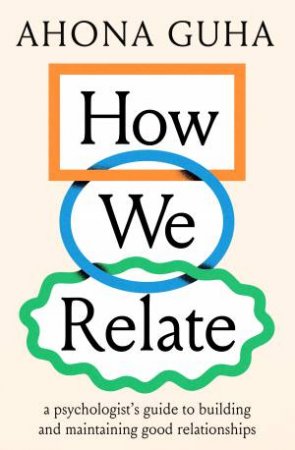
Described as "a psychologist’s guide to building and maintaining good relationships” Dr Guha draws on her background, growing up in a South Asian household with culturally fixed expectations, then moving to the experience of an adult female in the multicultural Australian environment. She validates her position by laying out her own family circumstances which have forged her view of the world and informed the relationships she has made in her life. She makes the case that our childhood experiences of parenting can be hardwired and changing destructive patterns formed in childhood can be incredibly difficult. She also points out that it is not your role to understand or heal your parent, but understanding their parenting style can give you the tools to build your own better relationship with yourself and with others. The first case study seems to also mirror her own relationship with her mother; conditional love offered only with good behaviors and achievements of the child. There are some text boxes through the book with questions or suggestions for the reader in line with the topic being covered. In keeping with Dr Ahona’s premise that understanding the family background is essential the first half of the book covers family issues and at times it seemed repetitive, often going back to the author’s lived experience. I did feel that Dr Guha didn’t articulate enough that parenting and being parented is a two-way relationship. The second part covers friendships, dating, work and pets. There is an excellent part at the end where Dr Guha offers a few rules for the reader to adopt what works for them, “You can’t change your past, and the only person who can change your future is you. You can’t change the future without changing the present” p306, and ultimately "be kind”. I would have liked to see a glossary of terms and abbreviations and a guide to reliable sources of more information or help if issues raised are causing concern. I didn’t feel I came away with any of the promised tools but this book might strike a chord with women with similar backgrounds and issues.
Themes: Relationships, Psychology.
Sue Speck